
Shortness of Breath
Difficulty breathing that can be caused by heart conditions, lung problems, or other medical issues requiring proper evaluation.
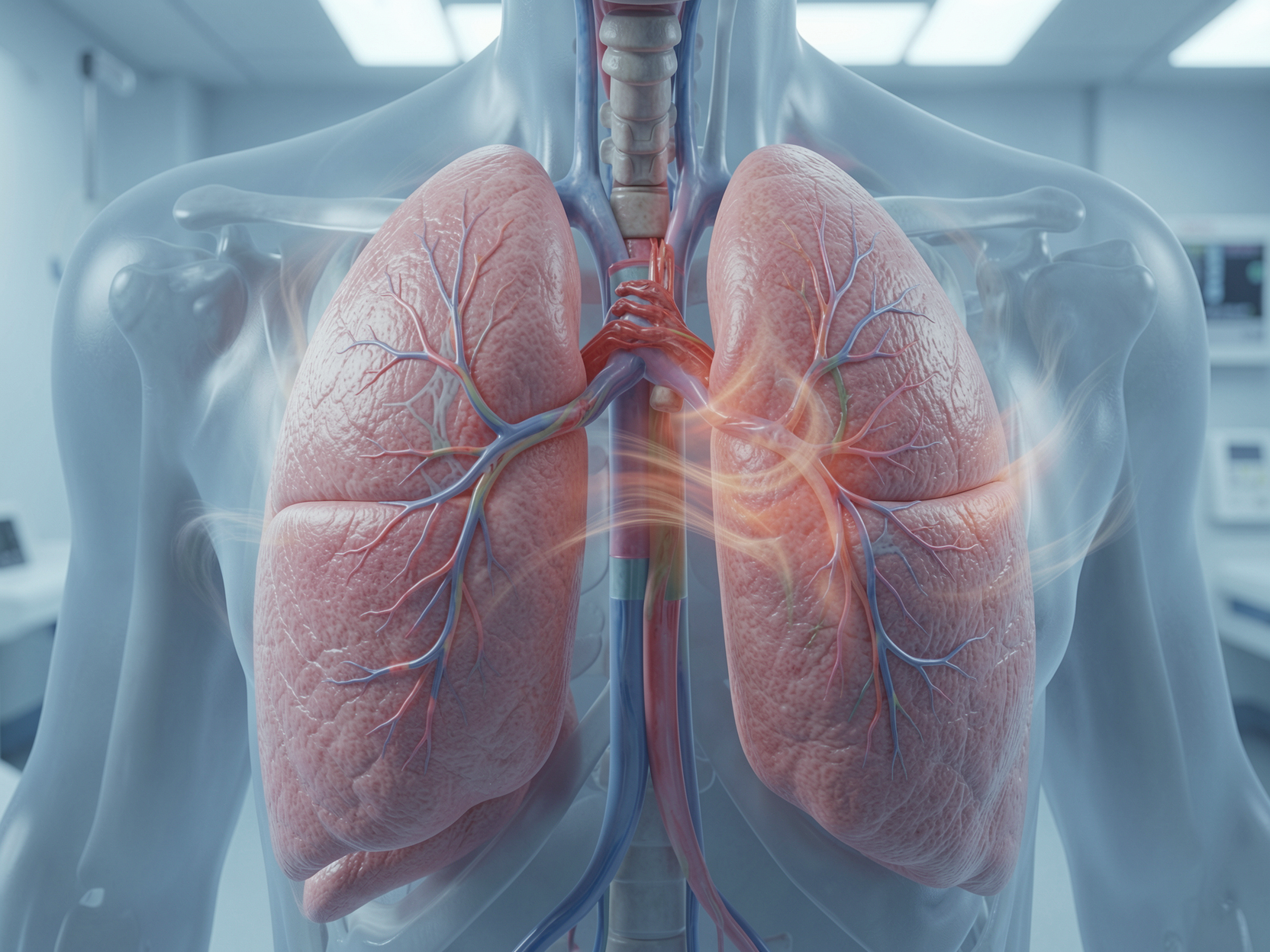
Symptoms to Watch For
What It Is
Shortness of breath, known medically as dyspnea, is the uncomfortable feeling of not being able to get enough air. It may come on suddenly or develop gradually, and can range from mild to severe.
Cardiac Causes
Heart-related causes include heart failure, coronary artery disease, arrhythmias, heart valve disease, and cardiomyopathy. These conditions limit the heart's ability to pump blood and deliver oxygen to the body effectively.
Other Causes
Non-cardiac causes include asthma, COPD, pulmonary embolism, pneumonia, anemia, anxiety, and deconditioning. A careful evaluation helps distinguish between cardiac and non-cardiac origins.
When to Seek Help
Sudden shortness of breath, especially with chest pain, fainting, or bluish lips or fingertips, is a medical emergency. Persistent or progressive breathlessness during everyday activities also warrants prompt evaluation.
Diagnostic Tests
Your cardiologist may recommend an electrocardiogram (EKG), echocardiogram, chest X-ray, stress test, pulmonary function tests, or blood work to identify the underlying cause.
Treatment Approach
Treatment depends on the root cause and may include medications for heart failure or arrhythmia, oxygen therapy, lifestyle changes, pulmonary rehabilitation, or procedures such as valve repair or angioplasty when cardiovascular disease is the source.
Ready to Take the Next Step?
Whether it's a routine checkup or a second opinion, our team is here to help. Same-day appointments available at all three locations.