Peripheral Arterial Disease
A circulatory problem where narrowed arteries reduce blood flow to the limbs, causing pain, numbness, and increasing infection risk.
Symptoms to Watch For
What It Is
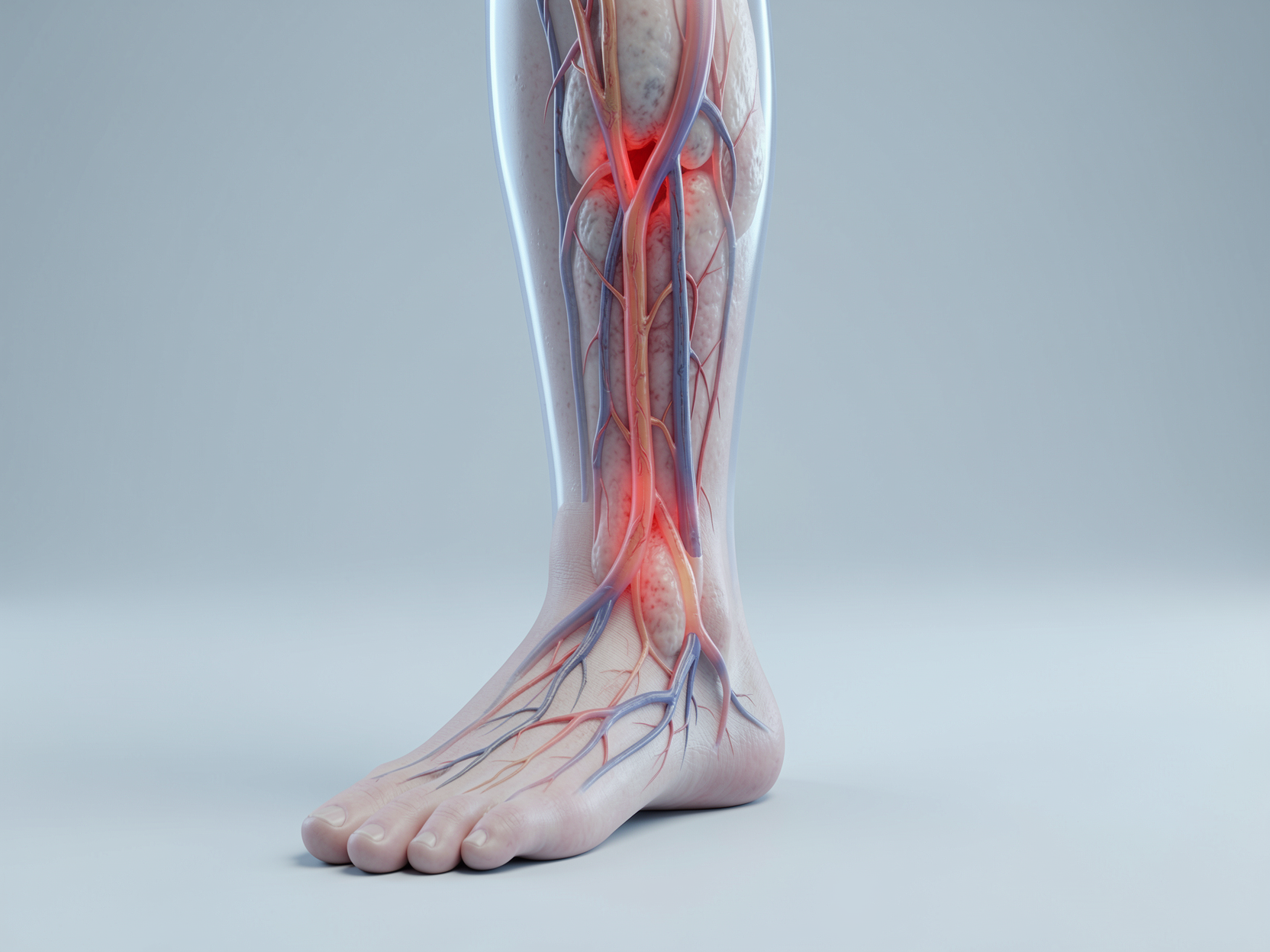
Peripheral arterial disease (PAD) impacts the blood flow to the legs and arms due to narrowed or blocked arteries. The condition can cause pain, numbness, ulcers, and increased risk of infection in affected limbs.
Disease Prevalence
PAD affects approximately 1 in every 20 adults in the US, particularly those over 50 years old.
When to Seek Help
If you experience leg pain when walking, coldness or color changes in your feet, or slow-healing wounds on legs or feet, seek immediate medical attention.
Conservative Treatment
After evaluating your condition's severity, our specialists may first recommend conservative treatment including medications and lifestyle changes to manage symptoms and improve circulation.
Angioplasty and Stenting
A thin catheter is inserted into the affected artery and a small balloon widens it. A stent may be placed to keep it open, improving blood flow and reducing pain.
Bypass Surgery
A new route for blood flow is created around the obstructed artery using a graft.
Endarterectomy
Plaque is removed from the artery's inner lining to clear blockage and improve circulation.
Peripheral Artery Disease: Common Questions
Why do my legs hurt when I walk, then feel better when I stop?
That pattern is called claudication, and it is the most common early sign of peripheral artery disease (PAD). Plaque narrows the arteries that carry blood to your legs, so when your muscles need more blood during walking, they cramp or ache until you rest. It is worth checking, because the same plaque raises the risk of heart attack and stroke.
What are the warning signs of PAD?
Leg pain when walking, numbness or weakness in the legs, a lower leg or foot that feels cold, sores on the feet or legs that heal slowly, changes in skin color, and a weak pulse in the legs or feet.
What is an ABI test, and does it hurt?
An ankle-brachial index (ABI) test compares the blood pressure at your ankle with the pressure in your arm. A noticeably lower ankle reading suggests narrowed leg arteries. It uses ordinary blood pressure cuffs and a small ultrasound probe, with no needles, dye or special preparation, and usually takes about 15 minutes.
Can a blocked leg artery be treated without surgery?
Often, yes. Our interventional cardiologists treat many blockages from inside the artery through a small catheter, rather than a large incision. Depending on the imaging, that may mean balloon angioplasty, a stent to hold the artery open, or atherectomy to remove hardened plaque. Many people also improve with medication, a walking program and better control of blood pressure, cholesterol and blood sugar.
What is recovery like after a leg angioplasty or stent?
These procedures are usually done with local anesthetic and light sedation. Most patients go home the same day or after a short overnight stay, and return to normal activities within a few days, with a follow-up visit or ultrasound to confirm the artery stays open.
Who should be checked for PAD?
PAD affects about 1 in 20 adults in the US, especially people over 50. You are at higher risk if you smoke or used to smoke, have diabetes, high blood pressure or high cholesterol, have heart disease or a prior stroke, or have a family history of PAD or heart disease.
Is PAD testing and treatment covered by insurance?
We accept Medicare and most major insurance plans. Most medically necessary tests and procedures are covered, and our billing team works with your insurer on prior authorization before any procedure.
Do I need a referral?
Many plans do not require one, but some do. Call our office and we will help you check before your visit.
Ready to Take the Next Step?
Whether it's a routine checkup or a second opinion, our team is here to help. Same-day appointments available at all three locations.