
Leg Swelling
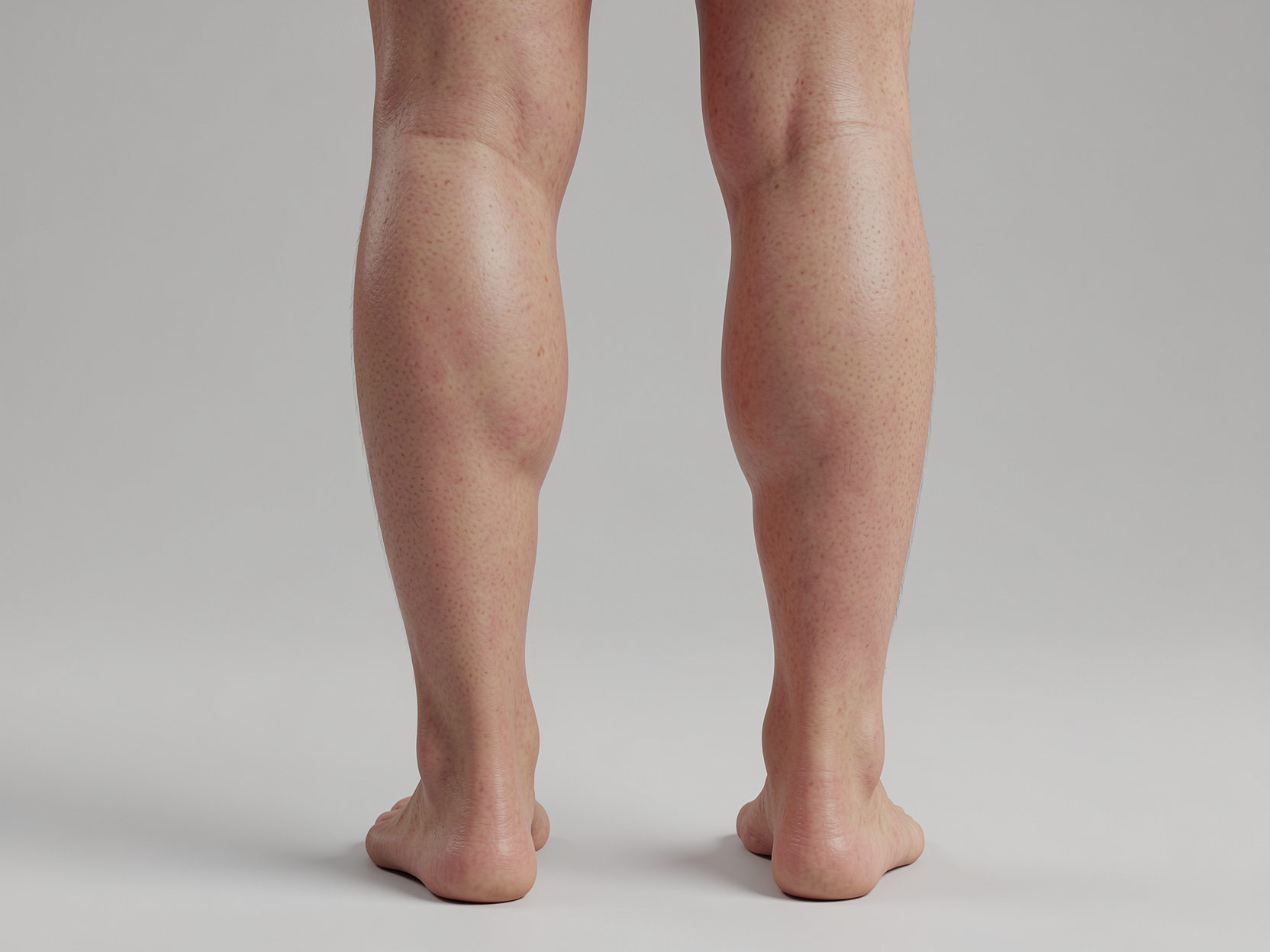
Swelling in the legs that can result from vein problems, heart failure, or other circulatory conditions requiring evaluation.
Symptoms to Watch For
What It Is
Leg swelling, or peripheral edema, is the accumulation of fluid in the tissues of the legs, ankles, or feet. It can be caused by circulation problems, heart conditions, kidney or liver disease, or medication side effects.
Cardiovascular Causes
Heart failure, chronic venous insufficiency, deep vein thrombosis (DVT), and varicose veins are common cardiovascular reasons for leg swelling. These conditions impair the return of blood from the legs to the heart, causing fluid to pool.
Other Causes
Non-cardiac causes include kidney disease, liver disease, lymphedema, prolonged sitting or standing, pregnancy, obesity, and certain medications such as calcium channel blockers, hormones, or NSAIDs.
When to Seek Help
Seek prompt evaluation if swelling is sudden, affects only one leg, is accompanied by pain or warmth (which may indicate a blood clot), or occurs with chest pain or shortness of breath.
Diagnostic Tests
Your cardiologist may order a vein ultrasound, echocardiogram, blood tests, and a physical examination to identify the underlying cause.
Treatment Approach
Treatment depends on the cause and may include compression stockings, elevation, lifestyle changes, diuretics for fluid overload, vein ablation or sclerotherapy for venous insufficiency, or management of heart failure.
Ready to Take the Next Step?
Whether it's a routine checkup or a second opinion, our team is here to help. Same-day appointments available at all three locations.