
Coronary Artery Disease
Narrowing or blockage of coronary arteries that supply blood to the heart muscle, increasing the risk of heart attacks.
Symptoms to Watch For
What It Is
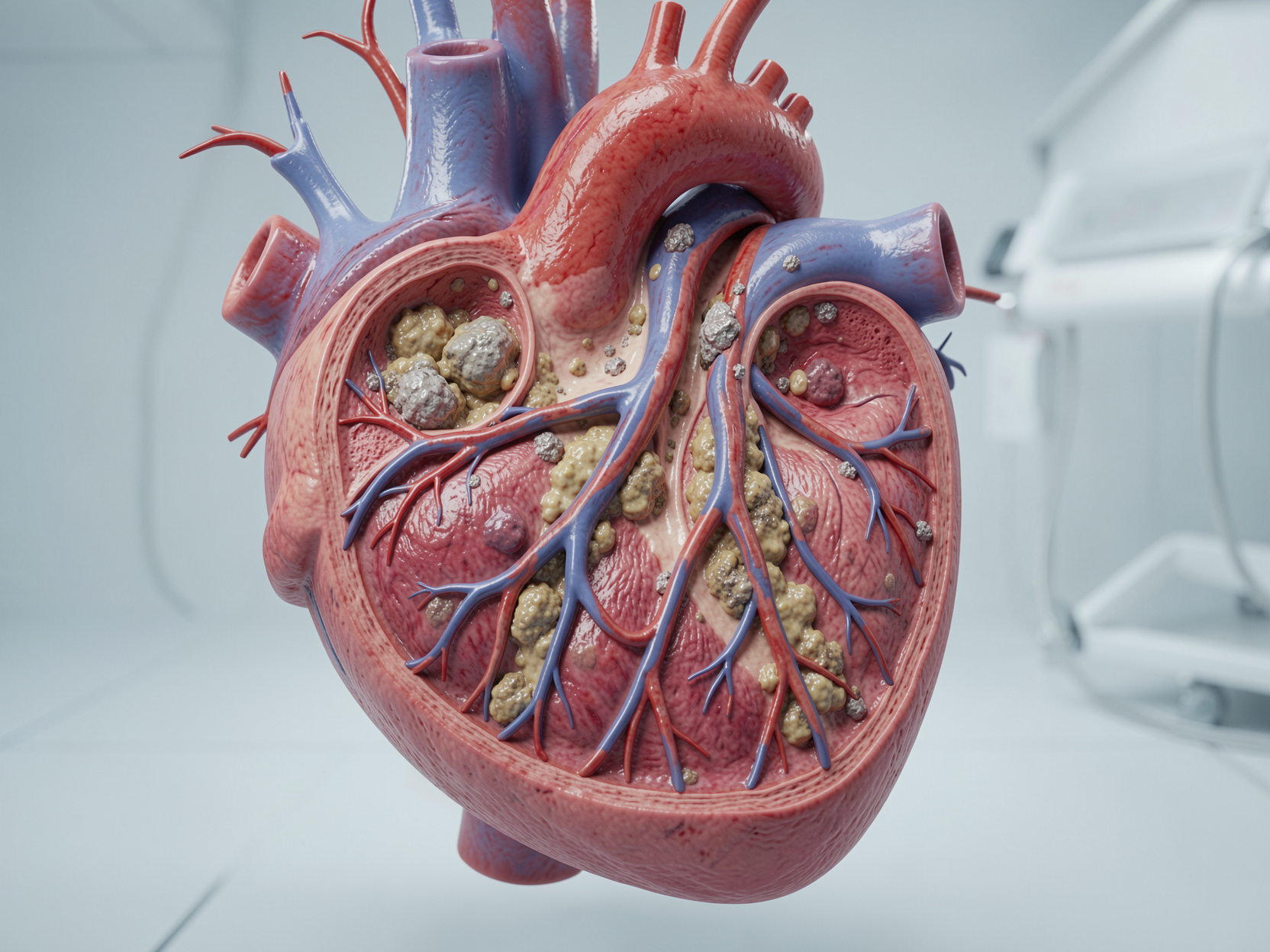
Coronary artery disease (CAD) is the narrowing or blockage of the coronary arteries caused by the buildup of cholesterol and fatty deposits (plaques). Over time, this buildup reduces the flow of oxygen-rich blood to the heart muscle and increases the risk of heart attack.
Causes and Risk Factors
CAD most often results from atherosclerosis, a gradual process in which plaque accumulates along artery walls. Risk factors include high blood pressure, high cholesterol, diabetes, smoking, obesity, a sedentary lifestyle, age, and family history of heart disease.
Diagnosis
Your cardiologist may order an electrocardiogram (EKG), stress test, echocardiogram, coronary artery calcium score, or cardiac catheterization to confirm the diagnosis and evaluate the extent of the disease.
Lifestyle Modifications
For early-stage CAD, we recommend adopting a heart-healthy diet, regular exercise, weight management, smoking cessation, and stress reduction to slow or reverse disease progression.
Medications
Statins lower cholesterol, antiplatelet drugs help prevent blood clots, beta-blockers reduce strain on the heart, ACE inhibitors manage blood pressure, and nitrates help relieve chest pain.
Procedures
When medications are insufficient, we may recommend angioplasty with stent placement to open blocked arteries, or coronary artery bypass grafting (CABG) for severe blockages.
Ready to Take the Next Step?
Whether it's a routine checkup or a second opinion, our team is here to help. Same-day appointments available at all three locations.