
Palpitations
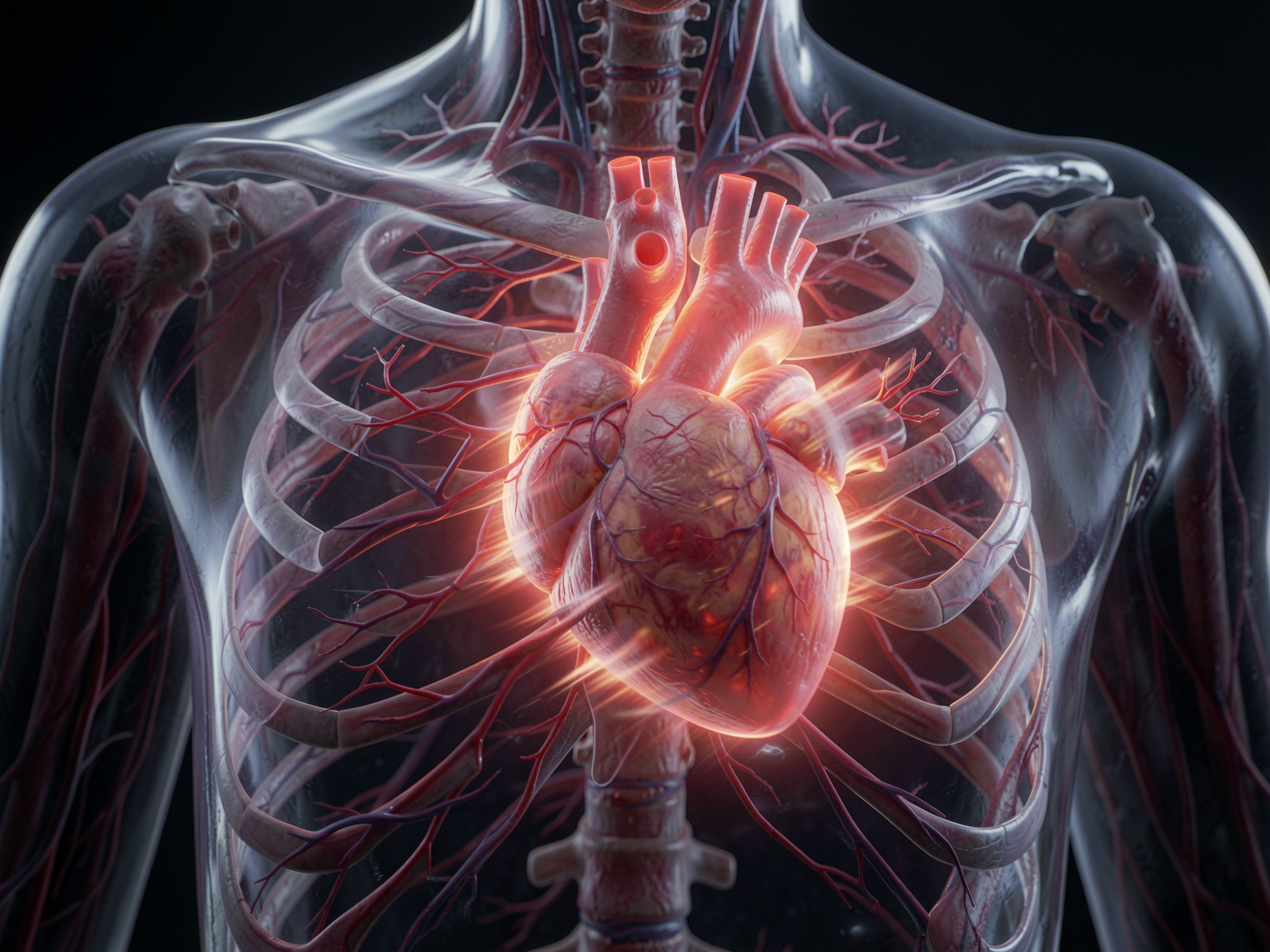
Sensations of a racing, fluttering, or pounding heart that may be triggered by stress, exercise, medication, or an underlying condition.
Symptoms to Watch For
What It Is
Heart palpitations are one of the most common causes for people to consult a cardiologist. They involve sensations where your heart feels like it's pounding, skipping beats, or racing excessively.
Normal Heart Rate
A healthy heart typically beats between 60 to 100 times per minute. Rates above 100 beats per minute indicate tachycardia, while rates below 60 indicate bradycardia. An excessive beat is called extrasystole.
Red Flag Symptoms
Certain symptoms accompanying palpitations warrant immediate attention: dizziness, fainting, chest pain with intense pressure around your neck, jaw, and arm, shortness of breath, worsening palpitations, and unusual sweating.
When to See a Doctor
Call us right away if your palpitations change in nature. Seek evaluation if palpitations persist despite lifestyle modifications, as they may indicate underlying heart conditions.
Diagnostic Tests
Your cardiologist may recommend a stress test, blood test, urine test, electrocardiogram (EKG), echocardiogram, heart catheterization, or Holter monitor test.
Treatment Approach
After examining your medical history, your provider will recommend appropriate treatment or suggest lifestyle changes as needed.
Ready to Take the Next Step?
Whether it's a routine checkup or a second opinion, our team is here to help. Same-day appointments available at all three locations.