
High Cholesterol
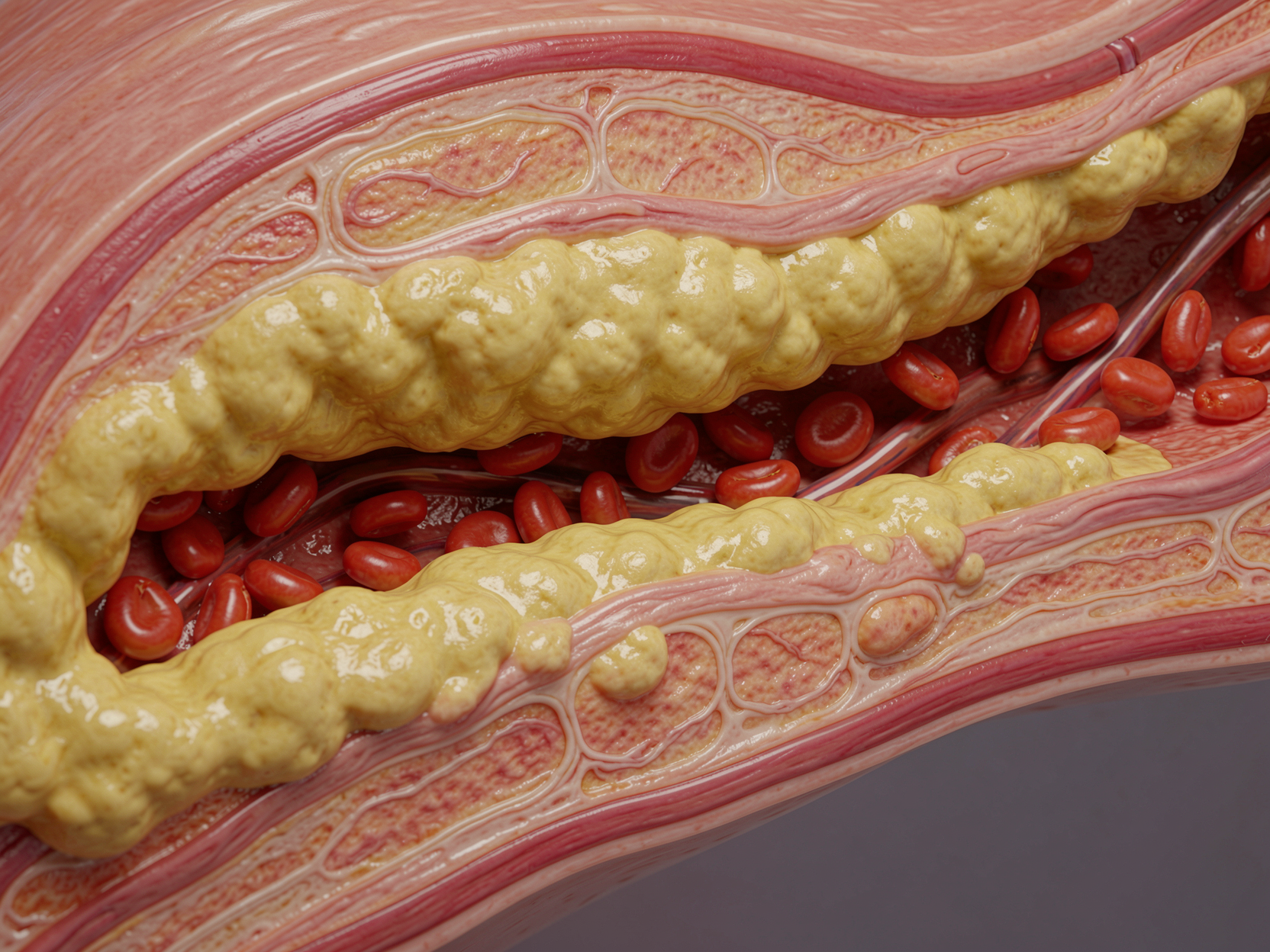
Elevated levels of cholesterol in the blood that can lead to fatty deposits in blood vessels, increasing heart attack and stroke risk.
Symptoms to Watch For
What It Is
High cholesterol is an excess of cholesterol or fats (lipids) in the blood, primarily LDL cholesterol and triglycerides. These deposits can build up along artery walls, narrowing the arteries and raising the risk of heart attack and stroke.
Types of Cholesterol
LDL (low-density lipoprotein) carries cholesterol to the arteries and contributes to plaque buildup. HDL (high-density lipoprotein) helps remove cholesterol from the arteries. Triglycerides are another type of fat in the blood that, when elevated, also increases cardiovascular risk.
Causes and Risk Factors
Poor diet, lack of exercise, obesity, smoking, age, and genetics all contribute. Family history of high cholesterol or early heart disease significantly elevates your risk.
Diagnosis
A simple blood test called a lipid panel measures total cholesterol, LDL, HDL, and triglycerides. Your cardiologist may also order additional tests to assess overall cardiovascular risk.
Lifestyle Modifications
A diet low in saturated and trans fats, high in fiber and omega-3 fatty acids, combined with regular exercise, weight loss, and smoking cessation can meaningfully lower cholesterol levels.
Medications
When lifestyle changes are not enough, statins are the most common treatment. Other options include ezetimibe, PCSK9 inhibitors, bile acid sequestrants, fibrates, and niacin, selected based on your lipid profile and risk level.
Ready to Take the Next Step?
Whether it's a routine checkup or a second opinion, our team is here to help. Same-day appointments available at all three locations.