Signs of Poor Circulation in Feet: When Cold Toes and Slow-Healing Sores Point to PAD
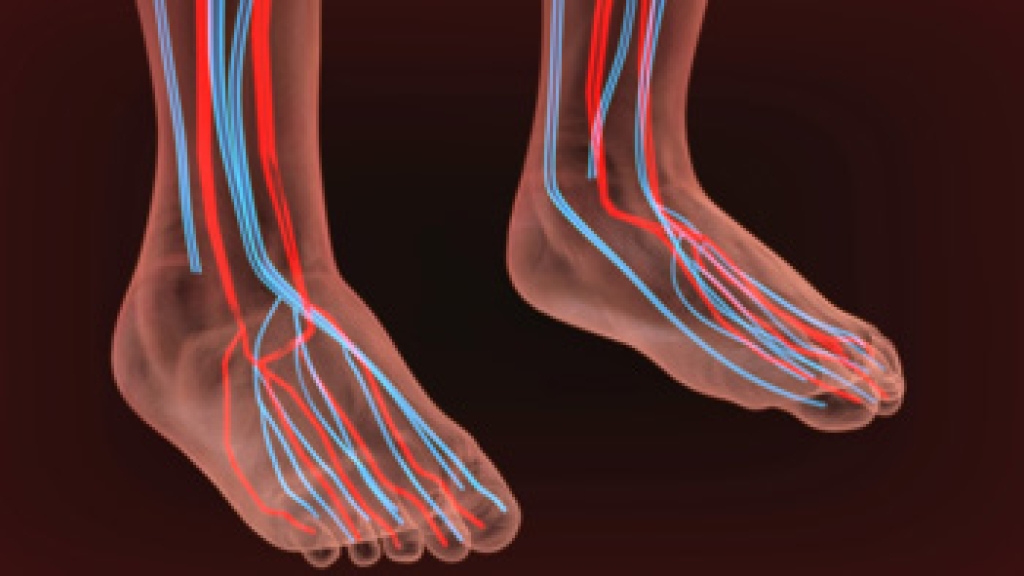
Image: via lafeetfootankle.com
Your feet feel cold even in the middle of a Texas summer. A small blister on your toe has hung around for three weeks. The skin on your shins looks shiny, and the hair there seems to have thinned out. Each change is easy to shrug off on its own. Together, they can be signs of poor circulation in feet, and they deserve a closer look.
Your feet sit at the far end of your circulation. When the arteries that feed your legs start to narrow, your toes and soles are often the first to notice. In adults over 50, the most common cause of that narrowing is peripheral artery disease (PAD). The CDC estimates that about 6.5 million Americans age 40 and older have PAD, and many of them don't know it yet.
If you've noticed some of these changes, you're not overreacting. You're paying attention. Below, we explain what the warning signs look like, what's happening inside your arteries, and when it's time to have your circulation checked by a vascular specialist.
What Is Happening in Your Body?
Picture a garden hose running from the spigot to the far corner of your yard. Now imagine mineral deposits slowly coating the inside of that hose. At first, water still comes out the end. But as the channel narrows, less and less reaches that far corner, especially when you open the valve wide.
Your arteries work the same way. Your heart is the spigot, and your feet are the far corner of the yard. The buildup inside the artery is called plaque, a mix of cholesterol, fat, calcium, and inflammatory cells. The process that creates it is called atherosclerosis, the same process behind most heart attacks and strokes. When it narrows the arteries in your pelvis, thighs, knees, and calves, we call it PAD.
Feet tend to feel it first for a few reasons:
- Distance: Your feet are the farthest point from your heart, so any drop in flow shows up there first.
- Stacked blockages: A narrowing in the thigh plus another below the knee means your foot only gets what makes it past two bottlenecks.
- Small-vessel damage: Diabetes and kidney disease often affect the smaller arteries below the knee and in the foot, where there's very little room for error.
When skin and muscle don't get enough oxygen-rich blood, the effects add up. Muscles cramp when they work harder. Skin thins and heals slowly. Hair follicles and toenails, which need a steady blood supply to grow, slow down. Your body tries to build small detour vessels around the blockage, called collateral arteries. These help, but they rarely carry as much blood as the original artery.
One more thing to know: "poor circulation" is a broad phrase. Vein problems, nerve damage, and conditions like Raynaud's phenomenon can also cause foot symptoms. Part of a specialist's job is sorting out which one you have, because each is treated differently.
Recognized Symptoms and Early Warning Signs
Signs of poor circulation in feet usually show up gradually. Many people notice one or two changes and blame their age, their shoes, or the weather. These are the signs we look for, from the most common to the ones that are easiest to miss.
- Cold Feet or Toes: One foot that feels noticeably colder than the other is a classic clue. It may feel cool to the touch even in a warm room or under a blanket. A difference between your two feet matters more than both feet running cool, because it suggests one leg is getting less blood. You can check at home by resting for a few minutes, then comparing each foot with the back of your hand.
- Color Changes: Feet with poor arterial flow may look pale, bluish, or dusky. A telling sign is elevation pallor, where your foot turns pale when you raise it. When you lower it again, it may flush a deep red, which doctors call dependent rubor. If your feet change color depending on their position, mention it at your next visit.
- Numbness, Tingling, or Weakness: Reduced blood flow can leave your feet feeling numb, prickly, or "asleep." Some people notice weakness in the foot or ankle, or feel less steady when they walk. These sensations overlap with nerve damage, so a careful exam matters. When they show up alongside coldness or color change, circulation is a likely factor.
- Sores That Won't Heal: A cut, blister, or pressure spot on your toes, heel, or the side of your foot that hasn't improved in two weeks needs attention. Wounds from poor arterial flow often look "punched out," with a pale or gray base, and they tend to hurt. They're most common on the tips of the toes, between the toes, and over bony spots. Healing depends on oxygen, and oxygen travels in your blood.
- Leg Pain When You Walk: This is called claudication. It feels like cramping, aching, or heavy tiredness in the calf, thigh, or buttock that starts at about the same distance each time and fades within a few minutes of rest. It isn't in your feet, but it's often caused by the same blockages that are shortchanging your toes.
- Foot Pain at Night: In more advanced PAD, pain can show up while you're lying down. It's usually a burning or aching in the toes or the front of the foot, and it can wake you up. Many people find relief by hanging the foot off the side of the bed or sleeping in a recliner. That's gravity helping blood reach the foot, and it's a sign blood flow is seriously reduced.
- Subtle or Overlooked Signs: Some changes are easy to miss because they don't hurt. Watch for hair loss on your toes, feet, or lower legs, shiny, thin, or tight-looking skin, and toenails that grow slowly or thicken. A weak or missing pulse on the top of your foot or behind your inner ankle bone is another sign, and your doctor can check for it in seconds. In men, erectile dysfunction can be an early clue that the arteries in the pelvis are narrowing.
Poor Circulation, Nerve Damage, or Vein Problems?
Not every foot symptom comes from blocked arteries. Three conditions are commonly confused, and some people, especially those with diabetes, have more than one at the same time.
- PAD (artery problems): Cold feet, pale or dusky skin, weak foot pulses, hair loss, and calf pain with walking that goes away with rest. In advanced cases, foot pain at night that eases when the leg hangs down.
- Peripheral neuropathy (nerve damage): Burning, tingling, or "pins and needles," usually in both feet in a stocking pattern. It's often worse at rest or at night and doesn't follow a walk-then-rest pattern. Foot pulses are usually normal.
- Venous insufficiency (vein problems): Swelling around the ankles, heavy or achy legs that feel better when raised, varicose veins, and brownish skin discoloration near the ankles. Symptoms tend to build over the day, especially after long periods of standing.
When it comes to PAD vs. neuropathy, the pattern is the biggest clue. PAD pain is tied to activity and position. Neuropathy tends to feel more constant, often like burning or electric tingling. There's one more practical difference to remember: raising your legs helps vein swelling, but it can make arterial pain worse.
When Symptoms Signal a More Serious Concern
Early signs can usually be checked at a routine office visit. But PAD tends to progress without treatment, and some symptoms mean blood flow is already critically low. Use this guide to tell the difference.
Schedule a visit soon if you notice:
- Leg pain with walking that's starting to limit your day
- One foot that's consistently colder or paler than the other
- Hair loss, shiny skin, or thickened toenails on your feet
- Numbness or tingling alongside coldness or color change
Get seen within a day or two if you notice:
- Foot or toe pain at rest, especially at night, that eases when you dangle your leg
- A sore on your foot or toe that isn't healing, especially if you have diabetes
- Skin on your toes that turns dark, purple, or black
These last three are signs of chronic limb-threatening ischemia (CLTI), the most advanced stage of PAD. Without treatment, CLTI can lead to infection, tissue loss, and amputation.
Call 911 if your leg or foot suddenly becomes cold, pale, painful, numb, or weak. This can signal a sudden blockage called acute limb ischemia, and fast treatment can save the limb.
PAD also matters well beyond your feet. Plaque rarely forms in just one place, so people with PAD have a higher risk of heart attack and stroke. Getting evaluated protects more than your legs.
Diagnostic Steps: How Specialists Identify the Root Cause
Finding out what's behind cold, numb, or slow-healing feet is usually quick and painless. A visit typically includes:
- A conversation about your symptoms. When does the pain start? How far can you walk? Does changing position help? We'll also ask about smoking, diabetes, blood pressure, cholesterol, and family history.
- A hands-on exam. We check skin color, temperature, hair growth, nails, and any wounds. We feel for pulses at the groin, behind the knee, on top of the foot, and behind the ankle bone.
- An ankle-brachial index (ABI). This simple test compares the blood pressure at your ankle with the pressure in your arm, using regular blood pressure cuffs and a small Doppler probe. There are no needles and no radiation. An ABI of 0.90 or lower confirms PAD.
- Arterial ultrasound when needed. A duplex ultrasound maps blood flow through your leg arteries and shows exactly where it slows down and how narrow the artery has become.
- A look at other causes. If your circulation checks out, we may test for nerve or vein problems instead.
If testing confirms narrowed arteries, our peripheral arterial disease evaluation and treatment program covers every step, from medication and structured walking to minimally invasive procedures that restore blood flow to your legs and feet.
Taking the Next Step Toward Relief
Signs of poor circulation in feet are your body's early warning system. Cold toes, color changes, and slow-healing sores deserve more than a shrug. They're clues, and the sooner we follow them, the more options you have to protect your feet, your mobility, and your heart.

Schedule an In-Depth Diagnostic Evaluation
Healthy Living Heart and Vein cares for patients in Conroe, The Woodlands, Huntsville, Willowbrook, and Spring, Texas. Our team includes board-certified interventional cardiologists, same-week appointments are available, and an ABI takes just minutes. Call (936) 978-0466 to book your visit.
Schedule Your EvaluationSources
- CDC: About Peripheral Arterial Disease (PAD)
- Hirsch AT, et al. Peripheral Arterial Disease Detection, Awareness, and Treatment in Primary Care. JAMA, 2001
- 2024 ACC/AHA Guideline for the Management of Lower Extremity Peripheral Artery Disease (Circulation)
Medical Disclaimer: This content is for educational purposes only and does not constitute formal medical advice, diagnosis, or treatment. Always consult a qualified healthcare provider regarding any medical condition. If your leg or foot suddenly becomes cold, pale, numb, or painful, call 911.