How to Treat PAD Without Surgery: Nonsurgical and Minimally Invasive Options
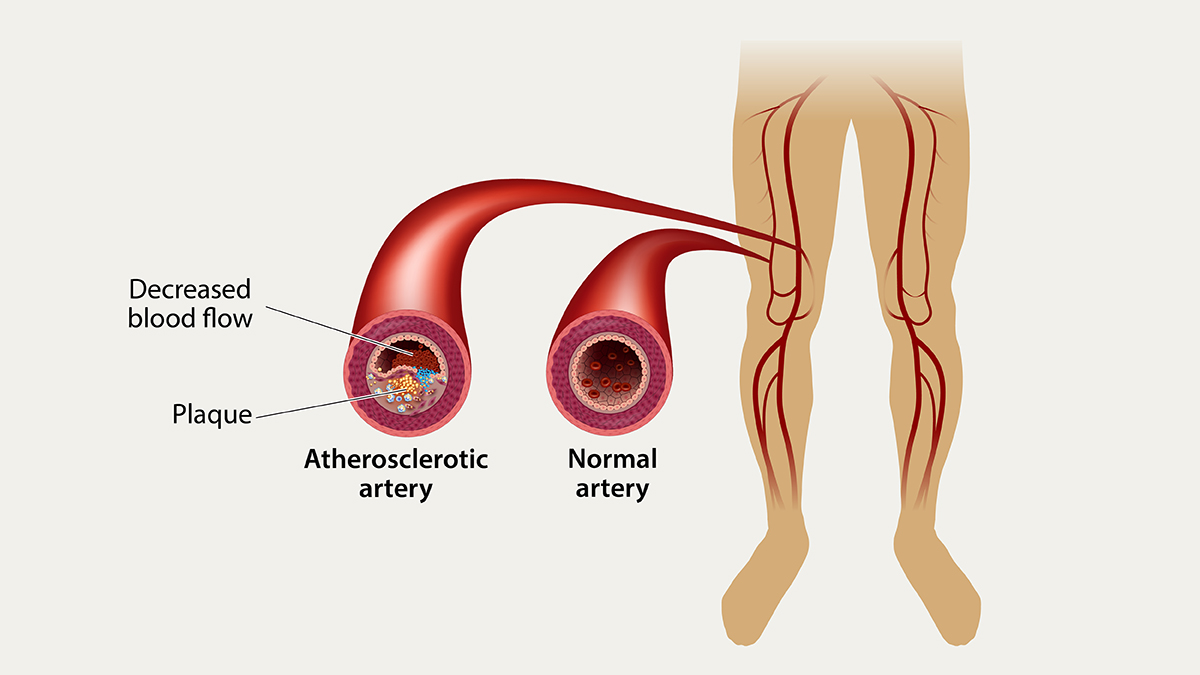
Image: via CDC
When people hear "blocked arteries in the legs," many picture open surgery and a long hospital stay. For most people with peripheral artery disease (PAD), that isn't the plan at all.
If you're wondering how to treat PAD without surgery, you likely have more options than you think. Most patients start with a structured walking program and the right medicines, and many never need a procedure. When blood flow does need to be restored, most modern treatments are done through a tiny puncture instead of an incision, and many patients go home the same day.
This guide covers what nonsurgical and minimally invasive PAD treatment looks like, what the research shows, and how to make the most of your first 90 days.
Conservative Management & Lifestyle Adjustments
Conservative care is the foundation of every PAD treatment plan, including for patients who later have a procedure. It has two goals: help you walk farther with less pain, and lower your risk of heart attack, stroke, and amputation.
Structured Walking: The Best Exercise for PAD
It sounds backward, since walking is what hurts. But structured walking is one of the most effective treatments for PAD leg pain. Over time, it helps your leg muscles use oxygen more efficiently and may encourage small detour vessels, called collaterals, to carry blood around blockages.
A supervised exercise therapy (SET) program usually looks like this:
- Sessions of 30 to 60 minutes
- 3 sessions per week
- At least 12 weeks
- Walk until leg pain is moderate, rest until it fades, then walk again
Medicare covers up to 36 SET sessions over 12 weeks for people with PAD leg pain. If a clinic program isn't practical, a structured home or community walking program with regular check-ins can also work. Walking is the best-studied exercise for PAD, but cycling or arm exercise can help if other conditions make walking difficult.
Quitting Tobacco for Good
Smoking speeds up plaque growth, makes blood more likely to clot, and makes every PAD treatment less effective, including stents and bypass grafts. Quitting is one of the most powerful things you can do for your legs. Counseling combined with medication gives you the best chance of success, and we bring it up at every visit because it matters that much.
Medicines That Protect Your Heart and Legs
- High-intensity statins: Recommended for nearly everyone with PAD, with a goal of lowering LDL cholesterol by at least 50%. Statins also help stabilize plaque. If LDL stays high, your doctor may add ezetimibe or a PCSK9 inhibitor.
- Antiplatelet therapy: Low-dose aspirin or clopidogrel lowers the risk of heart attack and stroke.
- Blood pressure control: Keeping blood pressure in range protects arteries throughout the body.
- Diabetes management: Good blood sugar control protects your feet. For people with type 2 diabetes, GLP-1 receptor agonists and SGLT2 inhibitors also lower the risk of heart attack and stroke.
Daily Foot Care
Check your feet every day for cuts, blisters, or color changes. Wear well-fitting shoes and don't walk barefoot outside. Keep your feet warm, but skip heating pads and hot water bottles, which can burn skin that has less feeling.
What About Natural Treatment for PAD?
A heart-healthy diet, a healthy weight, and daily movement are real, natural treatments that make a difference. Be cautious, though, with supplements or "artery cleanse" products. There's no strong evidence that any supplement clears blockages, and some interact with blood thinners. Chelation therapy has not been shown to help PAD leg pain and isn't recommended. Talk with your care team before adding anything new.
Advanced Medical and Procedural Treatments
If leg pain still limits your life after about three months of walking and medication, or if blood flow is severely reduced, it's time to consider the next level of care.
- Medical Therapies & Pharmacological Options: Cilostazol is a prescription medicine that can improve walking distance and leg symptoms in people with claudication. Some people notice a benefit within 2 to 4 weeks, but it can take up to 12 weeks to see the full effect. It isn't safe for people with heart failure, so your doctor will review your history first. For some patients, adding low-dose rivaroxaban (a blood thinner) to low-dose aspirin lowers the risk of heart attack, stroke, and serious leg complications, including after a procedure. Your doctor will weigh those benefits against your bleeding risk.
- Minimally Invasive Outpatient Procedures: Endovascular treatments reopen arteries from the inside through a small puncture, usually in the groin or wrist. You're awake, with local numbing medicine and light sedation. Depending on where and how your artery is narrowed, options may include:
- Balloon angioplasty: A tiny balloon is inflated at the narrowed spot to press plaque against the artery wall and widen the channel.
- Drug-coated balloons: Balloons coated with medicine that helps keep the artery from narrowing again.
- Stents: Small mesh tubes that hold the artery open. Some slowly release medicine to reduce scar tissue.
- Atherectomy: A tiny rotating blade, laser, or cutting device removes plaque from inside the artery.
- Intravascular lithotripsy: Pulses of sound energy crack hard, calcified plaque so the artery can be opened safely.
- Specialized Clinical Interventions: Some blockages are too long, too hard, or in spots where a stent won't hold up well, such as the groin or behind the knee. In those cases, surgery may still be the best choice. Bypass surgery reroutes blood around the blockage using a vein or synthetic graft, and endarterectomy removes plaque directly from the artery. For patients with non-healing wounds, care often includes wound care specialists and podiatry alongside restoring blood flow. At Healthy Living Heart and Vein, our peripheral arterial disease treatment options range from medication and lifestyle care to angioplasty, stenting, bypass surgery, and endarterectomy, so your plan is built around where and how your arteries are narrowed.
Most endovascular procedures take one to two hours. Many patients go home the same day, and most return to their normal routine in about a week.
What to Expect During Recovery and Long-Term Care
Recovery depends on which treatments are part of your plan. This is what most patients can expect:
- Walking program: Many people notice they can walk a bit farther within the first several weeks, with bigger gains by week 12. Keep walking after the program ends to hold on to the benefit.
- Medicines: Statins and antiplatelet drugs start protecting your arteries right away, even though you won't feel it. Cilostazol may take up to 12 weeks to reach full effect.
- After angioplasty or stenting: Expect to rest for a few hours after the procedure while the puncture site seals. A little bruising is normal. Avoid heavy lifting and strenuous activity for several days, and follow your team's instructions exactly. You'll likely take one or two antiplatelet medicines for a period of time. Never stop them without talking to your cardiologist, because stopping early can raise the risk of a clot in the treated artery.
- Follow-up testing: We recheck blood flow with an ABI or ultrasound at regular intervals to make sure treated arteries stay open.
- Long-term care: PAD is a lifelong condition. Treated arteries can narrow again, and plaque can form in new places. Staying on your medicines, walking regularly, and staying tobacco-free are what protect your results.
Call your care team right away if you have bleeding at the puncture site that won't stop with pressure, a new sore on your foot, or leg pain that's getting worse. Call 911 if your leg suddenly turns cold, pale, numb, or weak.
Your First 90 Days: Taking Control of Your Health
A clear plan makes treatment feel manageable. A typical first three months looks like this:
- Weeks 1 and 2: Get your baseline. Complete your ABI and any imaging, plus labs for cholesterol, blood sugar, and kidney function. Start or adjust your statin and antiplatelet medicine. If you smoke or vape, set a quit date and ask about medication to help.
- Weeks 2 to 4: Start moving. Begin your supervised or home walking program. Keep a simple log of how far you walk before pain starts and how long it takes to ease.
- Weeks 4 to 8: Build consistency. Aim for three walking sessions every week. Check your blood pressure at home, start a daily foot check habit, and tell us about any side effects from new medicines.
- Weeks 8 to 12: Measure progress. Your care team rechecks your cholesterol, since guidelines suggest a lipid test 4 to 12 weeks after starting a statin, and reviews your walking log. Many people can already walk farther than when they started.
- Day 90: Decide next steps together. If your symptoms have improved, we keep building on what's working. If leg pain still limits your life, we'll talk about whether a minimally invasive procedure makes sense for you.
Ready to Explore Your Treatment Options?
Learning how to treat PAD without surgery starts with one appointment. For most people, the path forward is structured walking, the right medicines, and minimally invasive care when it's needed. Surgery is still available when it's the best fit, but it's rarely the first step.

Explore Advanced Treatment Options
Healthy Living Heart and Vein treats PAD in Conroe, The Woodlands, Huntsville, Willowbrook, and Spring, Texas, with same-week appointments available. Call (936) 978-0466 to schedule your consultation.
Explore Treatment OptionsSources
- 2024 ACC/AHA Guideline for the Management of Lower Extremity Peripheral Artery Disease (Circulation)
- Murphy TP, et al. Supervised Exercise Versus Primary Stenting for Claudication: Six-Month Outcomes From the CLEVER Study. Circulation, 2012
- CMS: Supervised Exercise Therapy for Symptomatic PAD, Decision Memo
- ACC: 2024 Lower Extremity PAD Guideline, Ten Points to Remember
Medical Disclaimer: This content is for educational purposes only and does not constitute formal medical advice, diagnosis, or treatment. Never start or stop a medicine without talking to your doctor.